


Free Resources for
Trauma-Informed Therapy, SSP & HeartMath® Coaching
Located in Washington, serving clients nationwide via Telehealth options.
Explore practical tools and guidance designed to support healing, resilience, and nervous system regulation. These resources complement our individualized services and are available to anyone seeking trauma-informed care. TLOEP.US provides accessible, integrated support for ABEs/ACEs survivors, BIPOC communities, neurodivergent clients, and seniors. Each service can be offered alone or combined into a personalized plan that honors your story, culture, and lived experience.
Downloadable Resources
Safe and Sound Protocol (SSP) Brochure
TLOEP HeartMath E-Book: The Inside Story
Effective Process and Regulation: The Essential Foundation for Health
Adverse Babyhood Experiences (ABEs) Fact Sheet
In Brief | Connecting the Brain to the Rest of the Body
Adverse Childhood Experiences (ACEs) Fact Sheet
What Are ACEs? And How Do They Relate to Toxic Stress?
Chronic Illness Adverse Childhood Experiences (Chronic Illnesses Fact Sheet)
Inner Weather
The Autonomic Ladder
The Organizing Principles of Polyvagal Theory
The Polyvagal Theory And You
Polyvagal Autonomic States
Is heart rate variability biofeedback useful in children and adolescents? A systematic review
The Cell Danger Response: The New Disease Paradigm (Diabetes, Metabolic Syndrome, ME/CFS and Beyond)
Nervous System Regulating Activities
Nervous System Regulating Activities for Children: Building Regulatory Capacity Through Development
The Quick Coherence® Technique Transform Stress into Resilience
The Inside Story: Understanding the Power of Feelings the Understandin
The Subconscious Mind and Trauma's Role in Autoimmune Disorders
Olylife THz Tera-P90+
The Role of Terahertz Waves in Enhancing Human Health
Discussion with Dr. Veronique Mead
Join Alfred and Dr. Veronique Mead for an in-depth exploration of trauma, nervous system health, and holistic healing approaches. This 7-part video offers insights, practical strategies, and compassionate guidance for survivors, caregivers, and anyone seeking trauma-informed support.
Part 1
Part 2
Part 3
Part 4
Part 5
Part 6
Part 7
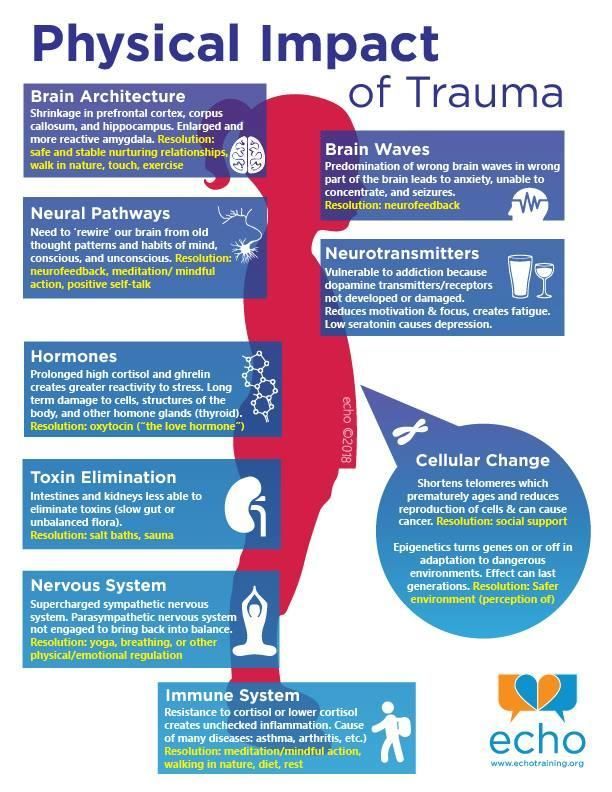
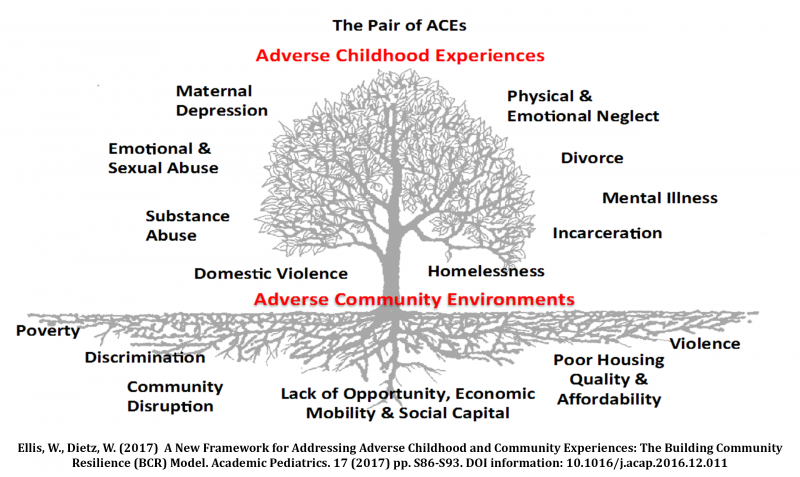
Infographics
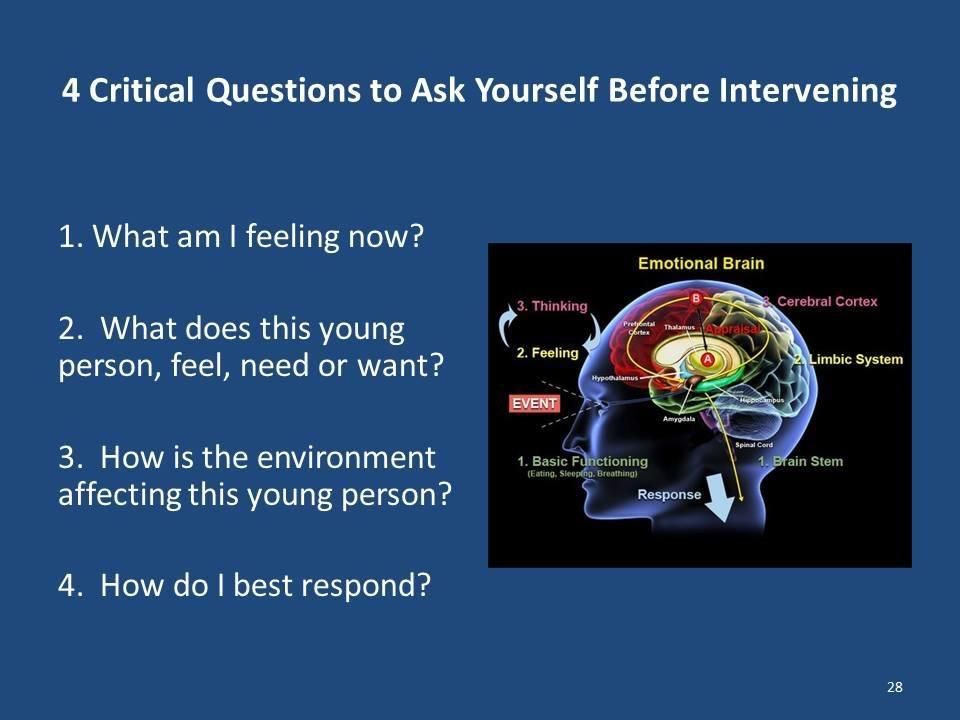
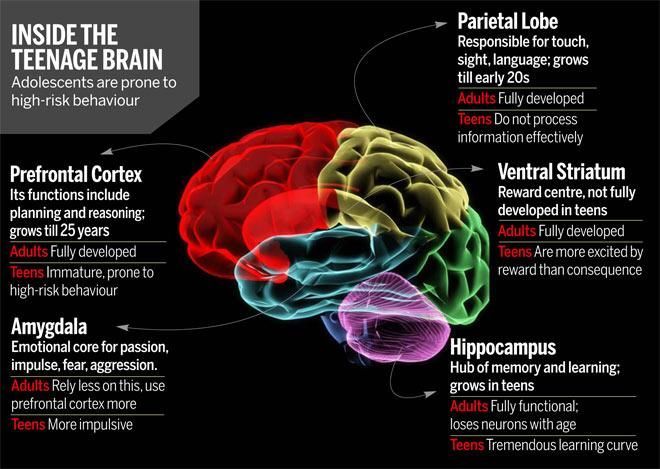
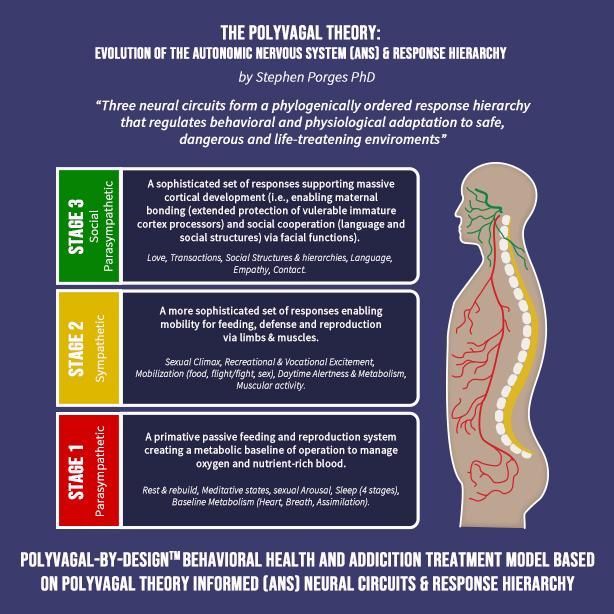
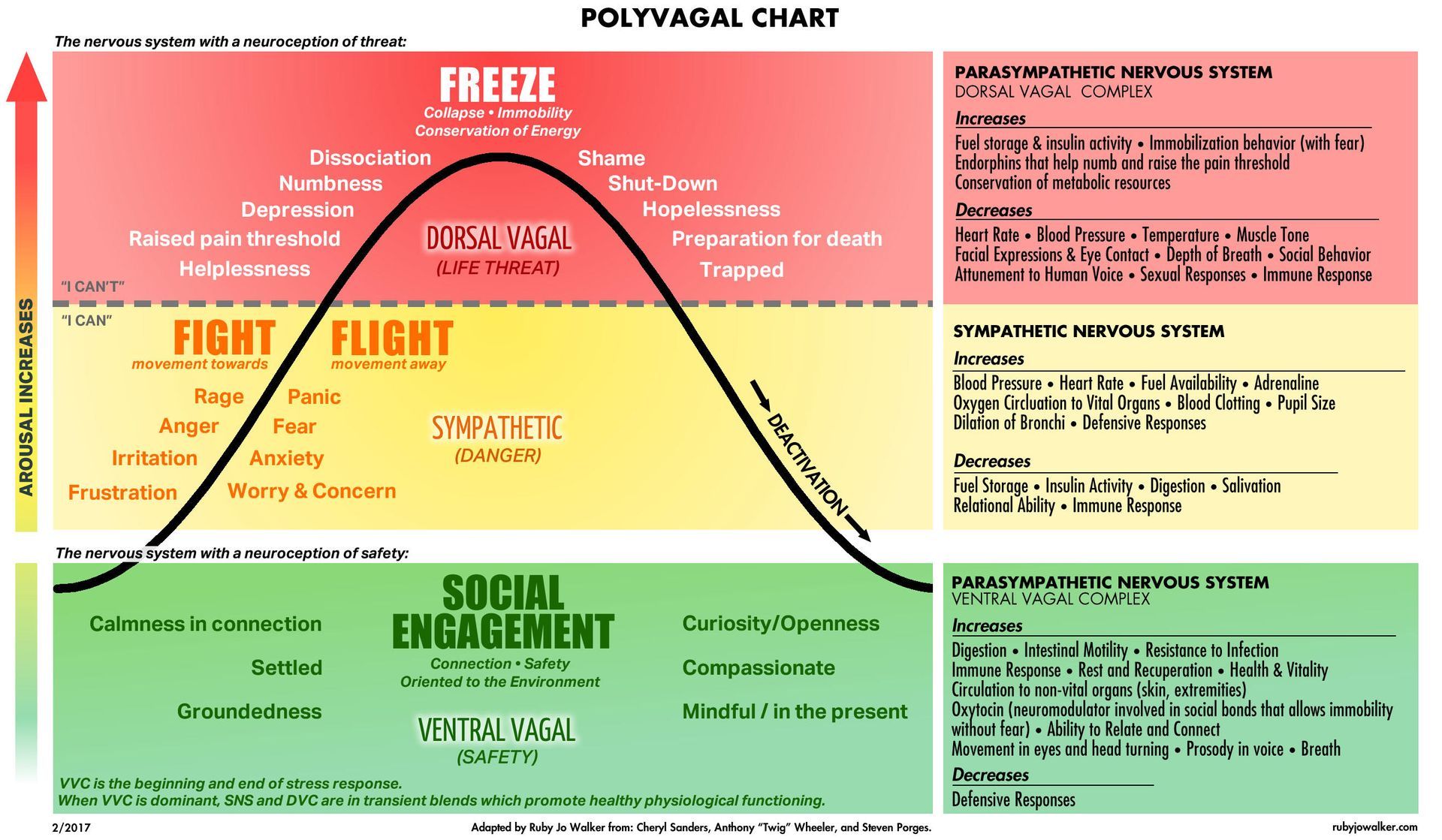
Quick, easy-to-digest visuals that break down complex topics around trauma, nervous system regulation, and healing. Designed to educate, empower, and support your journey with clear, accessible information.
Compassionate Telehealth Care
Based in Washington, Serving Clients Nationwide
Complete the form below to receive a free personalized evaluation and tailored program recommendations based on your unique needs